Now Reading: Building a High-Ticket Affiliate Funnel That Builds Trust Before Selling
-
01
Building a High-Ticket Affiliate Funnel That Builds Trust Before Selling
Building a High-Ticket Affiliate Funnel That Builds Trust Before Selling


The single biggest mistake I see beginners make in affiliate marketing is sending cold organic traffic directly to a merchant’s sales page through a raw affiliate link. If someone is searching for a two-thousand-dollar software platform or a five-thousand-dollar executive mastermind, they are not going to impulse-buy on their very first visit. When you send them straight to the vendor’s page, ninety-eight percent of them bounce, and they are gone forever. You lose the lead, the data, and the sale.
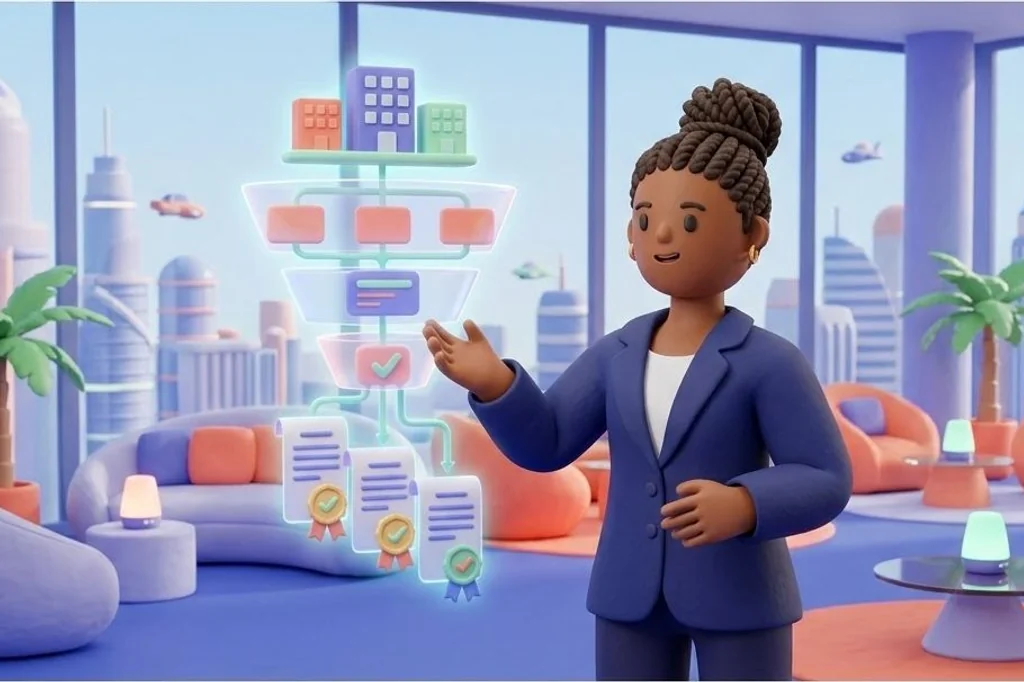
High-earning affiliate publishers never rely on direct cold linking. Instead, they implement a thoughtful high ticket affiliate funnel architecture. By capturing the visitor’s email address upfront with high-value educational assets, you earn the right to nurture that relationship over days or weeks. When the prospect finally decides to buy, they buy through your recommendation because you were the trusted expert who guided them through every step of their decision.
Key Takeaways
Essential components of an automated high-ticket affiliate funnel:
- Never send cold traffic directly to expensive checkout pages; capture email contacts with high-utility evaluation assets first.
- Build automated nurture sequences focused eighty percent on solving problems and twenty percent on commercial recommendations.
- Incorporate transparent case studies, teardowns, and user testimonials to systematically dissolve purchase skepticism.
- Include custom bonus toolkits and implementation checklists to give your affiliate link an irresistible competitive edge.
Stage 1: Top-of-Funnel Educational Discovery
Your funnel begins with high-intent educational content on your website. Rather than targeting broad, vague queries, focus on specific problem-aware or solution-aware search keywords grounded in classical purchase funnel principles on Wikipedia. If you are promoting an enterprise CRM, do not write “what is customer management”. Write “how to automate enterprise lead routing across distributed sales teams”.
In this initial article, you provide immediate, thorough answers to the reader’s question. You break down the workflow, highlight technical pitfalls, and explain the theoretical framework. As readers consume your content, they recognize that you have real hands-on experience and understand their daily operational challenges. That builds foundational credibility.
Stage 2: The High-Utility Lead Magnet Bridge
Once you have hooked the reader with authoritative content, you offer a specialized lead magnet designed specifically for high-intent decision-makers. Generic free PDF ebooks will not cut it here. Business buyers want practical tools that save them time.
The most effective lead magnets for high-ticket affiliate funnels include:
The Vendor Evaluation Scorecard: A customizable spreadsheet that allows team leads to input their feature requirements and automatically calculate weighted scores across competing software options.
The ROI & Cost-Savings Calculator: A financial model demonstrating how much time and money a department will save by switching to an automated solution.
The 30-Day Implementation Checklist: A step-by-step migration blueprint mapping out daily tasks, data validation checks, and team training milestones.
When an executive enters their corporate email address to download your evaluation scorecard, you have successfully transformed an anonymous website visitor into an engaged, high-intent sales lead.
Stage 3: The Automated Educational Email Sequence
Now that the prospect is on your email list, an automated sequence delivers deep value over two to three weeks. Here is the exact five-part email architecture I rely on:
Email 1: Immediate asset delivery and quick win
Deliver the requested scorecard or spreadsheet instantly. Give them a two-minute video walkthrough showing how to use the tool to make their first evaluation today. Establish expectations for the insightful emails that will follow.
Email 2: Uncovering hidden bottlenecks and industry traps
Highlight the major mistakes organizations make when adopting tools in this category. Explain how hidden licensing fees, rigid user seats, or poor API integrations derail projects. You position yourself as an objective consumer advocate protecting their budget.
Email 3: Detailed case study and measurable transformation
Share a comprehensive case study documenting how a specific team resolved the exact operational pain your subscriber is facing. Show real before-and-after metrics: reduced ticket response times, increased pipeline conversions, or eliminated server downtime. Introduce your recommended tool as the vehicle that enabled this success.
Email 4: Overcoming technical objections and security concerns
Address the most common hesitations: What about data privacy? How difficult is user training? Does it integrate with existing legacy systems? By answering these objections proactively, you eliminate friction before the buyer even brings it up.
Email 5: The irresistible affiliate bonus stack
Present your exclusive partner offer. Remind them of your detailed recommendation, and announce that if they activate their account through your link, they will receive your proprietary onboarding blueprint, custom automation templates, or an invitation to a private Q&A session. This gives buyers a compelling reason to complete their purchase immediately through your link rather than going directly to the vendor’s site.
Maintaining Deliverability and Tracking Reliability
Even the most brilliant funnel is useless if your automated emails land in the spam folder. Use professional email infrastructure with verified SPF, DKIM, and DMARC authentication records. You can review our comprehensive benchmark of top email marketing tools for high deliverability to ensure your sequences reach executive inboxes consistently.
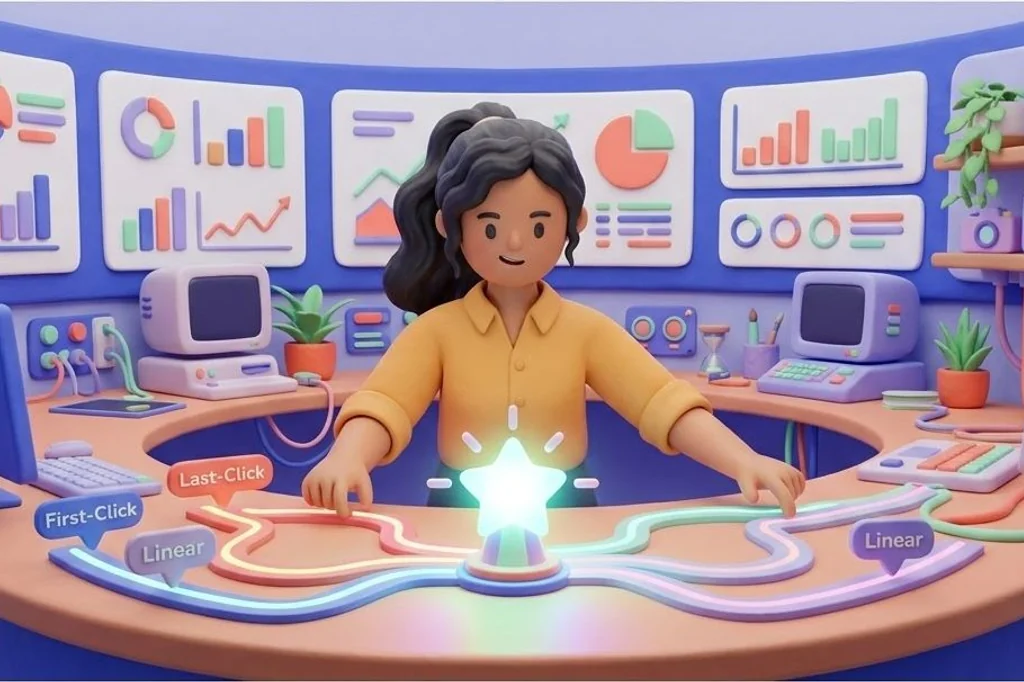
Additionally, make sure you understand how your partner tracks conversions across complex customer touchpoints. Review our detailed guide on affiliate attribution models and tracking to ensure you receive proper compensation for every lead you nurture. For more insights on digital sales funnels, browse our resources at xandigital.com.
Split-Testing and Optimizing Key Funnel Conversion Gates
Building your funnel architecture is only the initial step; the real profit optimization comes from systematic split-testing across your primary conversion gates. In a high-ticket funnel, minor percentage improvements compound into tens of thousands of dollars in incremental revenue. A two percent lift in lead magnet opt-in conversion, combined with a one percent increase in affiliate link click-through rate in email four, can double your monthly payouts without requiring an extra visitor to your site.
Focus your testing efforts on three critical levers: lead capture form simplicity, email subject line curiosity, and bonus stack positioning. For lead capture, test inline embedded email boxes against exit-intent modal triggers. For email subject lines, compare direct benefit statements with counter-intuitive questions that challenge conventional wisdom. And for your partner offer, experiment with offering an implementation phone consultation versus delivering pre-configured workflow templates.
Remember that high-value buyers respect transparency. Clearly disclose your commercial affiliate relationship across all touchpoints, explaining that purchasing through your link supports your deep testing and ongoing research while providing exclusive bonus resources at zero extra cost to the buyer. This openness reinforces credibility and strengthens buyer loyalty.
Frequently Asked Questions
What is an affiliate sales funnel?
An affiliate sales funnel is a structured sequence of touchpoints – from blog content and lead magnets to automated email sequences – designed to build credibility before presenting an affiliate offer.
Why is an email list essential for high-ticket affiliate marketing?
High-ticket purchases require multiple exposures and deep trust. An email list lets you educate and nurture prospects over weeks without paying repeatedly for search or social traffic.
What type of lead magnet works best for high-ticket products?
Actionable proprietary templates, vendor comparison scorecards, ROI calculation spreadsheets, and implementation audit checklists generate the highest conversion rates.
How many emails should be in a high-ticket nurture sequence?
A five to seven-email sequence spread over two to three weeks provides the ideal balance of educational value, social proof, objection handling, and conversion momentum.
When you build an intentional, value-first affiliate funnel, you transform casual visitors into loyal, long-term clients. Instead of hoping for random clicks, you build a dependable, automated revenue machine that works around the clock.