Now Reading: Why I Shifted to High-Ticket Dropshipping: Margins, Suppliers, and Sanity
-
01
Why I Shifted to High-Ticket Dropshipping: Margins, Suppliers, and Sanity

A few years ago, my laptop screen looked like an emergency dispatch room. I was running a store selling fifteen-dollar phone mounts and small desk lamps. On paper, having hundreds of orders flooding in every afternoon felt like winning. In reality, my net margin after ad spend, payment processing, chargebacks, and shipping delays was a depressing four percent. I spent twelve hours a day answering emails from angry customers wondering why their package was stuck at a container port.
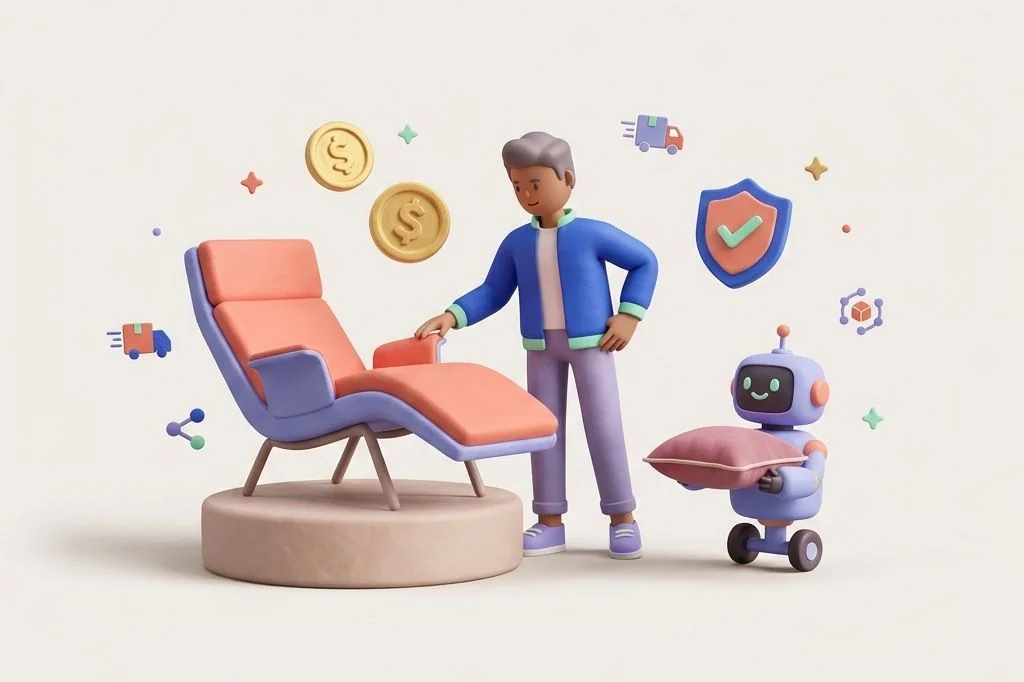
That endless grind completely burned me out. Selling cheap plastic novelties with two-dollar margins is not a business; it is an unpaid customer support internship. That realization pushed me to pivot entirely toward high-ticket commerce, focusing on products priced between five hundred and three thousand dollars. Today, my operating framework revolves around tested high-ticket dropshipping business strategies that prioritize real profit margins, domestic fulfillment, and mental clarity.
Key Takeaways
Here is what you need to know about ditching the volume hamster wheel for premium retail fulfillment:
- High-ticket commerce lets you generate three hundred to eight hundred dollars in net profit on a single transaction instead of chasing dozens of tiny orders.
- Working with domestic commercial distributors slashes delivery transit times from three weeks down to three to five business days.
- Customer service shifts from answering angry shipping inquiries to providing consultative buying guidance for serious shoppers.
- Paid acquisition requires search intent platforms like Google Ads rather than unpredictable impulse-buy social ads.
- Managing premium cash flow demands disciplined merchant structures, similar to the frameworks I break down on Xan Digital for building independent businesses.
The Flawed Math of Low-Ticket Impulse Buying
Let us run through the cold, hard numbers that most online tutorials conveniently gloss over. If you sell a generic gadget for thirty dollars, your cost of goods sold is typically around eight dollars. With modern social ad auctions becoming increasingly crowded, your customer acquisition cost can easily reach eighteen dollars. Factor in payment processor fees of roughly one dollar and twenty cents, and your remaining profit is less than three dollars per sale.
One single defective product return or shipping refund wipes out the profit from six consecutive successful transactions. If three percent of your customer base requests refunds because the item took twenty-two days to cross an ocean, your store is operating at a net loss. You are simply cycling cash through ad networks while taking on one hundred percent of the operational liability.
Contrast that with retailing a commercial espresso grinder, residential sauna kit, or specialized standing desk workstation priced at twelve hundred dollars. With an established twenty-five to thirty-five percent wholesale agreement, each sale yields roughly three hundred to four hundred and twenty dollars in gross margin. Even if customer acquisition costs you one hundred and twenty dollars on Google Search, you clear over two hundred dollars in actual, spendable cash on one order.
Securing Authorized Domestic Supplier Partnerships
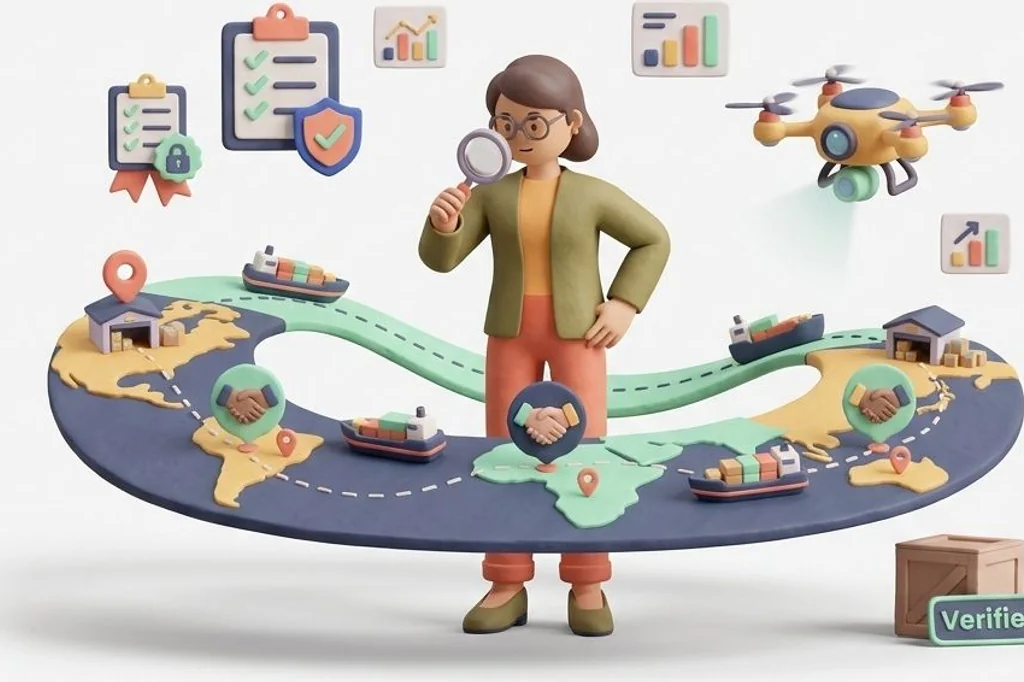
The single biggest misconception about selling expensive items is that you source them from overseas mystery listings. In the premium space, you do not use open consumer marketplaces. Instead, you secure authorized dealer status directly with established domestic distributors, regional brand manufacturers, and commercial wholesalers based in your target market, such as the United States, Canada, or Western Europe.
These domestic suppliers already maintain multi-million-dollar warehouses packed with inventory. They have their own freight carrier accounts with FedEx, UPS, and LTL trucking services. What they often lack is modern digital marketing talent, responsive storefront design, and high-converting paid search campaigns. When I approach an authorized distributor, I position my store not as a temporary dropshipper, but as an energetic, modern sales channel ready to represent their catalog professionally.
Before making contact, make sure your digital storefront looks like a legitimate boutique retailer rather than a rushed template. You need clear policies, registered business credentials, and dedicated phone support. If you are operating internationally while managing remote entities, look at my guide on setting up a location-independent business entity to ensure your corporate structure and reseller certificates pass wholesale onboarding checks without hiccups.
Capturing High-Intent Search Traffic Over Impulse Clicks
Nobody buys a two-thousand-dollar kitchen appliance because they saw a funny seven-second clip while scrolling a social feed in bed. High-ticket buyers behave completely differently from impulse shoppers. They conduct deliberate research, compare specifications, read product manuals, and type exact model numbers into search engines.
Because of this psychological difference, my primary acquisition engine is Google Shopping and high-intent Search campaigns. When a homeowner searches for “commercial heavy-duty pizza oven 240v,” they already have their credit card sitting on the desk. They are not looking to be entertained; they want to know whether the unit is in stock, how quickly freight delivers, and whether your customer support can verify installation specs.
To win these high-ticket conversions, your product pages must provide exhaustive technical documentation, dimensional drawings, downloadable spec sheets, and warranty disclosures. Building this level of transparency directly on robust ecommerce platforms like Shopify gives buyers the reassurance they need to authorize a multi-thousand-dollar transaction.
Customer Experience as a Conversion Engine
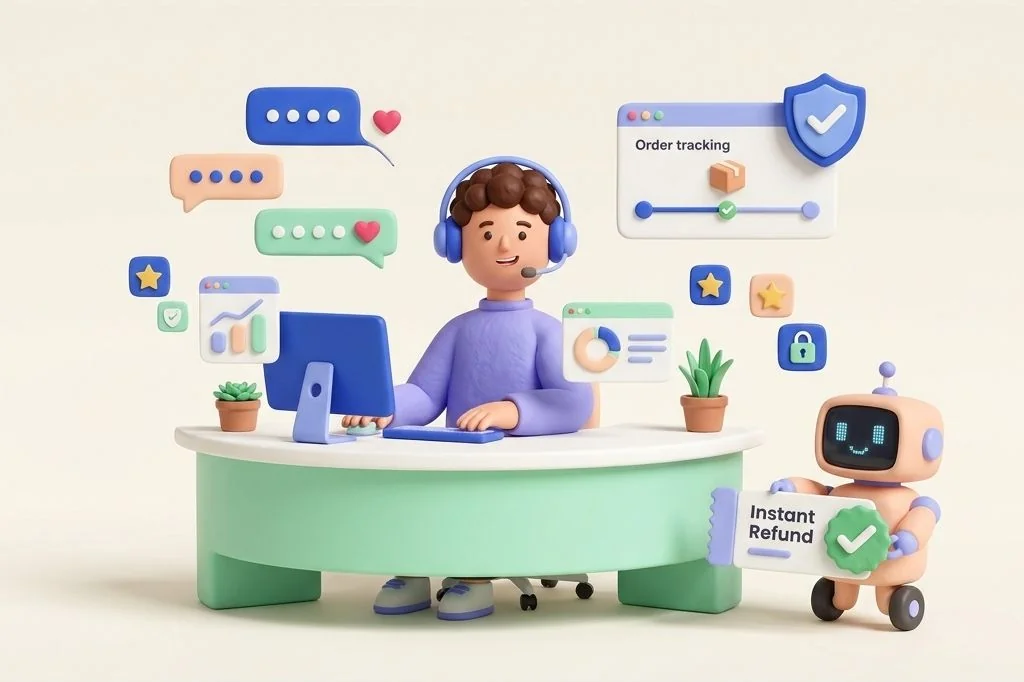
When you handle high-ticket transactions, customer service transforms from a reactive headache into your most lucrative conversion tool. In my low-ticket days, my inbox was filled with people yelling about broken tracking links. Today, about forty percent of my sales happen only after a customer talks to someone over live chat or phone.
A customer spending eighteen hundred dollars wants to know if the motor runs on standard 110-volt outlets or requires dedicated 20-amp wiring. When you respond within ninety seconds with a knowledgeable, friendly answer and confirm shipping transit timelines, you earn their trust instantly. To maintain consistent communication across automated customer touchpoints, I lean on automated messaging sequences similar to those covered in my review of e-commerce email marketing tools.
This consultative sales process also naturally protects your merchant standing. Because you speak with your buyers and provide precise expectations, chargeback rates drop to near zero. Domestic carrier freight tracking with signature confirmation eliminates fraudulent claims of missing packages, keeping your merchant processors like Stripe and PayPal in pristine health.
Frequently Asked Questions
How much capital do I need to start high-ticket dropshipping?
Starting high-ticket dropshipping typically requires between fifteen hundred and three thousand dollars. While you do not buy inventory upfront, you need working capital to fund wholesale costs while merchant processors clear customer funds, plus advertising budget for search campaigns and initial business formation expenses.
Do domestic suppliers require wholesale licenses and tax IDs?
Yes, reputable domestic distributors almost always require a formal reseller permit, registered business entity, and tax identification number. They protect their brand value by working exclusively with legitimate retail partners rather than unregistered hobbyists.
What happens if a high-ticket item arrives damaged during freight transit?
High-ticket shipments travel via insured freight or premier parcel couriers. When an item arrives damaged, the customer notes it on the delivery bill of lading or submits photos within forty-eight hours. Your supplier then files an immediate claim with the freight carrier and ships a replacement unit without penalizing your retail account.
Can I run a high-ticket dropshipping store while traveling as a nomad?
Yes, you can manage the entire operation remotely from anywhere in the world. Because order volume is low and domestic partners handle warehousing and fulfillment, you focus on search campaigns, supplier relationships, and high-touch customer communication through cloud software.