Now Reading: From Generic Reselling to Private Label Dropshipping: My Step-by-Step Transition
-
01
From Generic Reselling to Private Label Dropshipping: My Step-by-Step Transition
From Generic Reselling to Private Label Dropshipping: My Step-by-Step Transition

There is a defining moment every online store owner reaches when they realize generic reselling is a dead end. For me, that moment arrived on a Tuesday afternoon when I searched for my top-performing product on social media and found seventeen identical video ads running from seventeen different newly created storefronts. They were using the exact same supplier stock images, copying my product descriptions word for word, and undercutting my price by two dollars.
When you sell commoditized items without proprietary branding, your moat is paper-thin. You are at the mercy of any copycat with a credit card and an ad account. That painful realization motivated me to create a sustainable private label dropshipping roadmap that turns fragile arbitrage into defensible brand equity, customized product packaging, and long-term customer loyalty.
Key Takeaways
Here are the core operational phases to transition your storefront from generic reselling to an authentic private label brand:
- Private labeling allows you to double perceived product value and charge thirty to fifty percent price premiums without inventory risk.
- Start with low-barrier customization like custom branded poly mailers, debossed seals, and personalized user guide booklets.
- Negotiate minimum order quantities for custom packaging with domestic or overseas sourcing agents rather than complete manufacturing runs.
- Build customer lifetime value through post-purchase email onboarding and product ecosystem cross-sells.
- Protect your trademark and intellectual property rights early, following the asset protection strategies I share on Xan Digital for location-independent creators.
Phase One: Identifying Your High-Margin Candidate Product
You should never attempt to private label a product that has not already proven its commercial viability. When founders rush to order custom molded plastics or bespoke packaging for an untested concept, they end up with a garage full of dead stock. Private labeling is an optimization strategy for proven winners, not a rescue plan for failing products.
In my business, a candidate product must pass three strict financial hurdles before I invest a single dollar into branding assets:
- Consistent Organic or Paid Sales Velocity: The product must generate at least fifteen to twenty organic or paid sales every day for four consecutive weeks.
- Gross Margin Cushion: The item must deliver at least sixty percent gross margin before advertising expenses, leaving ample room to absorb custom packaging costs.
- Low Breakage and Return Rate: Historical customer return rates must remain strictly below two percent, confirming that the underlying product quality is sound.
Once an item demonstrates stable consumer demand, you have the operational confidence to invest in proprietary presentation without gambling on market fit. You already know who the customer is, what objections they raise during checkout, and which marketing angles produce profitable conversion rates.
Phase Two: Lightweight Customization That Bypasses High MOQs
The traditional roadblock to private labeling has always been minimum order quantities (MOQs). If you ask a factory to modify the physical injection mold of an item, they will demand an advance order of five thousand units. For a growing digital storefront, tying up tens of thousands of dollars in physical inventory defeats the cash-flow advantages of dropshipping.
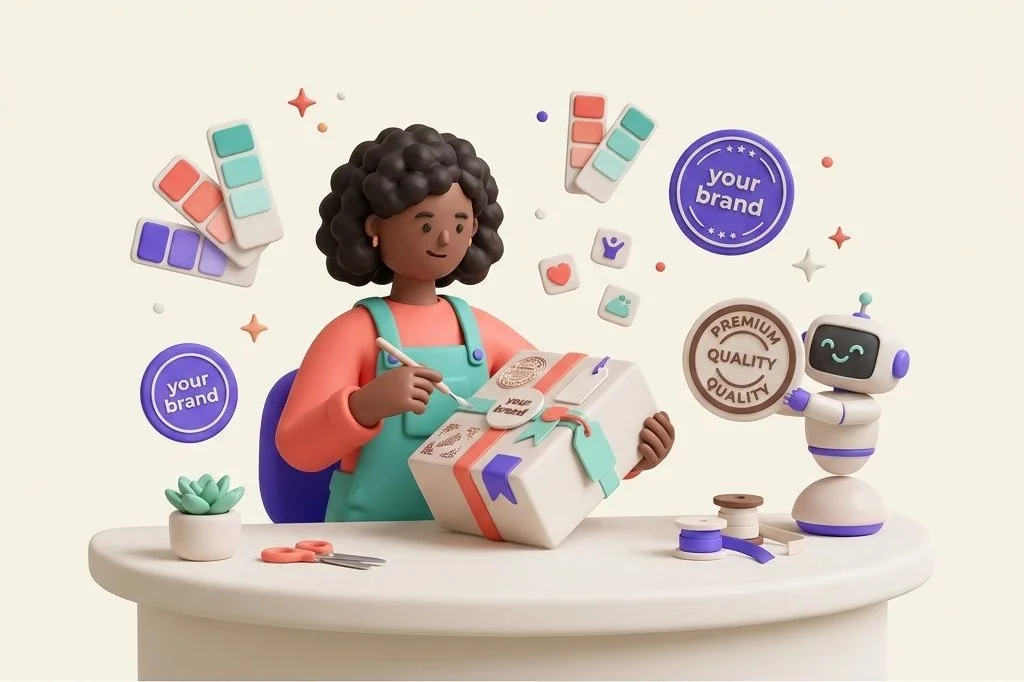
The solution is tiered customization. Instead of changing the physical core product right away, you brand the unboxing experience. I work with private fulfillment agents who purchase five hundred generic units from the factory floor and house them in their fulfillment warehouse. Simultaneously, I commission a local packaging supplier to print custom poly mailers, branded cardboard tuck boxes, and heavy-stock user guides.
The total investment for custom packaging is often less than eight hundred dollars. Each time a customer orders, the fulfillment agent takes a stock item, packs it inside your bespoke branded box, inserts your styled thank-you booklet, and seals it with your branded tape. To the end customer receiving the package via Shopify checkout, the product looks and feels like an established boutique direct-to-consumer brand.
This hybrid model gives you the best of both worlds. You maintain lean working capital without taking on huge manufacturing commitments, while presenting a polished, proprietary storefront that discourages commodity price comparisons.
Phase Three: Trademarks, Entities, and Brand Asset Protection
The moment you print your brand name on a box, you enter the world of formal intellectual property. Operating under an unregistered name exposes you to trademark infringement claims and copycat hijackers who might register your brand in target jurisdictions before you do.
Before launching custom packaging, register your brand name with the United States Patent and Trademark Office (USPTO) or your domestic intellectual property registry. Having a pending or approved trademark allows you to enroll in brand registries, protect your proprietary creative assets, and easily take down rogue sellers who attempt to spoof your storefront. If you are operating as an international founder, review my detailed guide on setting up a location-independent business entity to ensure your corporate structure holds trademark assets securely.
Trademarks also protect your payment processing relationships. Financial networks like Stripe and PayPal evaluate dispute ratios much more favorably when you can verify that your company owns the trademarks, domain names, and branded packaging associated with customer orders.
Having formal corporate entities and registered IP also increases your valuation when negotiating with potential investors or strategic buyers. Acquirers buy intellectual property, registered trademarks, and customer data; they rarely pay multiples for an unbranded dropshipping store that anyone can duplicate overnight.
Phase Four: Scaling Customer Lifetime Value Through Brand Retention
Generic dropshipping forces you to acquire every single customer at a fresh customer acquisition cost. In contrast, authentic private label branding generates repeat purchases, referral loops, and lucrative upsell sequences that drive long-term business equity.
Inside every branded box, I include a scannable QR card offering a digital product extension, interactive setup video guide, or warranty registration bonus. When customers register their warranty, they join a private customer email list. You can then nurture this audience with automated post-purchase workflows, similar to the techniques I teach in my guide on email marketing for cross-selling and upselling.
By transforming one-off buyers into repeat brand advocates, your reliance on paid ad auctions drops steadily month after month. Your store transitions from a volatile traffic arbitrage scheme into a legitimate, sellable digital asset that commands premium valuation multiples when you decide to exit.
When you achieve this level of customer connection, product launches become significantly easier. Instead of spending thousands on speculative ad campaigns, you can announce a new complementary accessory directly to your existing customer base, generating immediate cash flow with near-zero advertising expenditure.
Frequently Asked Questions
How much does custom packaging typically cost for private label dropshipping?
Custom packaging components like branded mailer bags, sticker seals, and thank-you cards generally cost between thirty and eighty cents per unit when ordered in batches of five hundred to one thousand pieces.
Do I need a formal trademark before printing custom boxes?
While you can begin printing small packaging runs before formal trademark registration is finalized, conducting a thorough trademark search and filing your application as early as possible prevents costly rebranding later.
Can I private label items using domestic Western suppliers?
Yes, many domestic wholesalers offer white-label and private-label programs, particularly in wellness, pet supplies, coffee, and specialty home goods, allowing you to ship custom-branded items with two to four-day delivery.
Does private labeling reduce customer return and dispute rates?
Yes, custom branded packaging, clear instructional inserts, and dedicated unboxing presentation significantly improve customer perception, routinely cutting return requests and buyer disputes by half.